Introduction
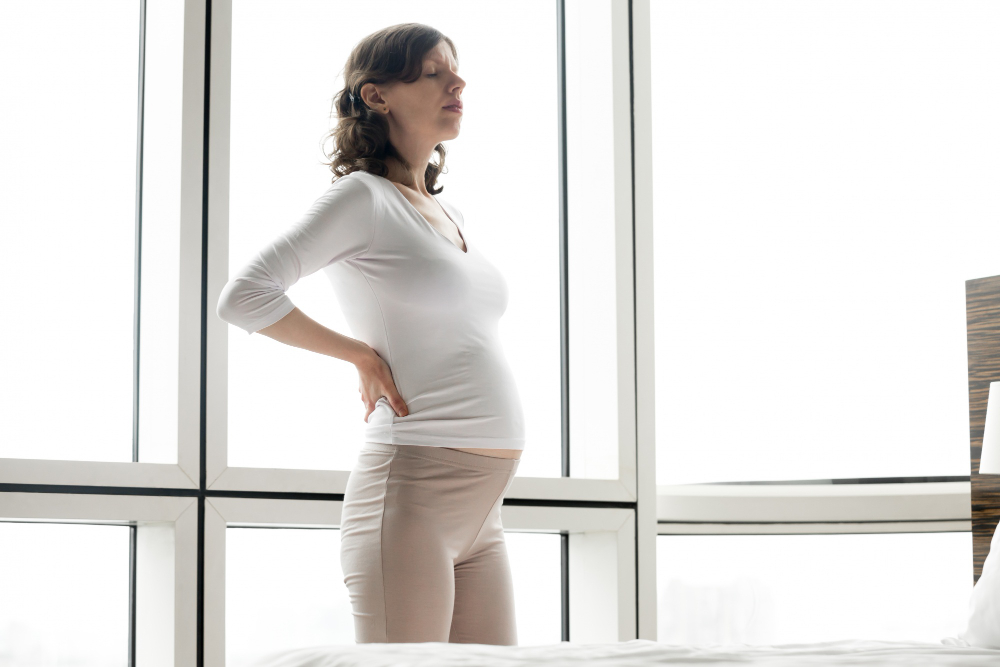
Many new mothers experience postnatal back pain after childbirth. This pain can make daily tasks harder. However, core recovery plays a key role in healing. The core muscles support your back and help you move safely. When these muscles are weak, back pain can last longer. For this reason, focusing on core recovery is very important for postnatal back pain relief and overall well-being.
Common Symptoms of Postnatal Back Pain
After giving birth, you may notice several symptoms. These can include:
Sometimes, the pain may also spread to your hips or legs. If you notice these signs, it is important to address them early.
Causes and Risk Factors
There are many reasons why postnatal back pain happens. Some common causes include:
Additionally, women who had back pain during pregnancy are more likely to have it after delivery. Lack of exercise and not getting enough rest can also increase the risk.
The Role of Core Muscles in Postnatal Recovery
Core muscles include your stomach, back, and pelvic floor muscles. These muscles support your spine and help you move. After pregnancy, these muscles may become stretched or weak. As a result, your back has to work harder, which can cause pain. Strengthening your core helps your body heal. It also lowers the risk of future injuries. For many new mothers, core strengthening after pregnancy is a safe and effective way to recover.
Effective Core Recovery Strategies
There are safe postpartum exercises that can help you regain core strength. Before starting, always talk to your doctor or physiotherapist. Some helpful strategies include:
In addition, physiotherapy for new mothers can provide a tailored plan. Many cities offer postnatal physiotherapy programs. These programs focus on safe movements and gradual progress.
Prevention Tips for Postnatal Back Pain
There are steps you can take to prevent or reduce postnatal back pain. For example:
Moreover, staying active and doing safe exercises can help your body recover faster.
When to Seek Professional Help
Sometimes, postnatal back pain does not improve with home care. You should see a healthcare provider if:
Early help from a doctor or physiotherapist can prevent long-term problems. In many cases, professional guidance leads to faster recovery.
Conclusion
In summary, postnatal back pain is common but treatable. Core recovery is very important for healing and preventing future pain. With safe postpartum exercises and good habits, you can feel better and stronger. If you need extra help, consult a physiotherapist at Sandhya physiotherapy and rehabilitation center for personalized postnatal back pain management and core recovery guidance.