
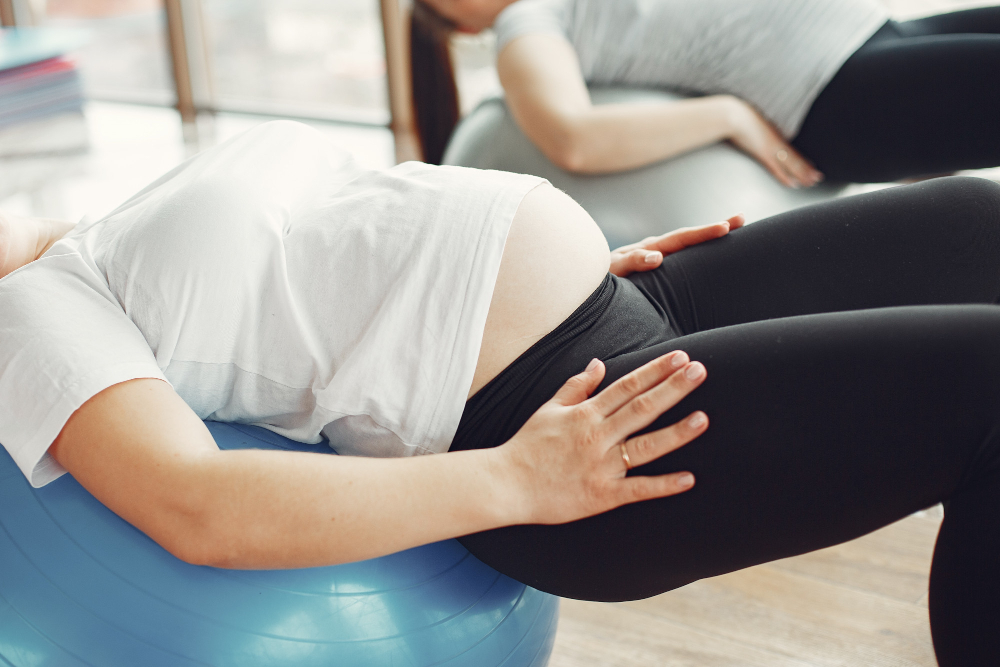
Introduction to Antenatal Care and Pelvic Floor Health
Antenatal care is important for every expectant mother. It helps you stay healthy during pregnancy and prepares you for a smooth delivery. One key part of antenatal care is looking after your pelvic floor muscles. These muscles support your bladder, uterus, and bowel. Because they stretch during pregnancy and birth, keeping them strong is very helpful. In this blog, you will learn about safe pelvic floor exercises for pregnancy and how they can help you prepare for a smooth delivery.
Importance of Pelvic Floor Exercises During Pregnancy
During pregnancy, your body changes in many ways. For example, your growing baby puts extra pressure on your pelvic floor muscles. If these muscles are strong, they can better support your organs and help you avoid problems like leaking urine. In addition, strong pelvic floor muscles can make delivery easier and help you recover faster after birth. Therefore, doing safe pelvic floor exercises for pregnancy is a smart step in your antenatal care routine.
Symptoms and Risks of Weak Pelvic Floor Muscles
Sometimes, weak pelvic floor muscles can cause problems. You might notice symptoms such as:
Because these symptoms can affect your daily life, it is important to address them early. If left untreated, weak pelvic floor muscles may lead to more serious issues, such as pelvic organ prolapse. This means your organs can drop lower in your pelvis, which may cause pain or discomfort.
Safe and Effective Pelvic Floor Exercises (Step-by-Step Instructions)
Now, let’s look at some safe pelvic floor exercises for pregnancy. These are simple and can be done at home. However, always check with your healthcare provider before starting any new exercise.
Kegel Exercises
Kegel exercises are the most common way to strengthen your pelvic floor. Here’s how to do them:
Quick Squeezes
Quick squeezes help your muscles react fast. To do them:
Bridge Exercise
This exercise also works your pelvic floor and hips:
Tips for Integrating Exercises into Your Daily Routine
It can be easy to forget exercises, but small changes help. For example, you can:
Because regular practice brings the best results, try to make these exercises a habit. Even a few minutes each day can make a big difference.
Precautions and When to Consult a Healthcare Provider
Although pelvic floor exercises are safe for most, some women need extra care. You should stop and talk to your doctor if you:
In addition, always follow your healthcare provider’s advice. They can guide you on the best antenatal care tips for your needs.
Benefits for Delivery and Postpartum Recovery
Strong pelvic floor muscles help you prepare for a smooth delivery. For instance, they can make pushing easier during labor. After birth, these muscles also help you recover faster. You may have less pain and fewer problems with leaking urine. Because of these benefits, many doctors and physiotherapists recommend safe pelvic floor exercises for pregnancy.
Prevention of Common Pelvic Floor Issues
By doing these exercises, you can prevent many common problems. For example, you lower your risk of:
In summary, regular pelvic floor exercises are a simple way to protect your health during and after pregnancy.
Conclusion
To sum up, safe pelvic floor exercises for pregnancy are an important part of antenatal care. They help you prepare for a smooth delivery and support your recovery. However, always listen to your body and seek advice if you have concerns. Consult a physiotherapist at Sandhya physiotherapy & rehabilitation centre for personalized antenatal exercise guidance.