
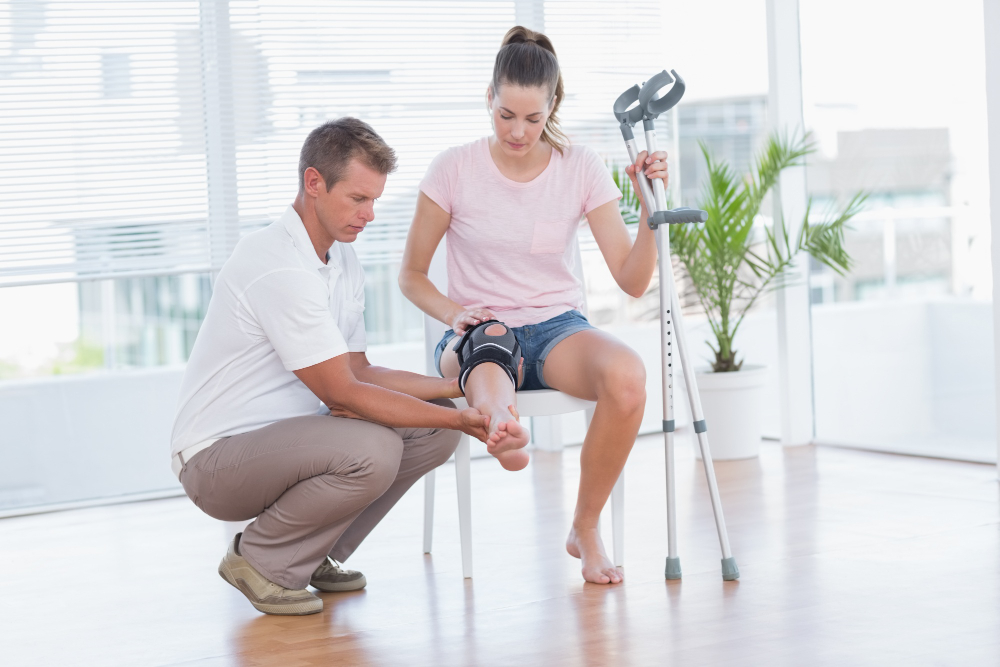
Many people look forward to moving better after joint surgery. However, rehabilitation after joint replacement is just as important as the surgery itself. Without proper rehab, healing can slow down. In fact, physical therapy for knee or hip replacement helps you regain strength and movement. This blog explains why rehab matters and how it supports your recovery.
What Is Joint Replacement?
Joint replacement is a surgery where a damaged joint is replaced with an artificial one. Most often, doctors replace hips or knees. Sometimes, shoulders or elbows need new joints too. Usually, people choose this surgery to reduce pain and improve movement. The World Health Organization notes that joint replacement can help people stay active and independent. Yet, surgery is only the first step. Afterward, recovery depends on good care and exercise.
The Role of Rehabilitation in Recovery
Rehabilitation is a special program of exercises and care after joint surgery. It helps your body heal and adjust to the new joint. For example, rehab teaches you how to walk safely and use your joint the right way. As you progress, your therapist will guide you through each step. Without rehab, you may not get the full benefit of your new joint. Therefore, it is a key part of the healing process.
Key Benefits of Rehabilitation After Joint Replacement
Rehabilitation after joint replacement offers many important benefits. With the right plan, you can:
Additionally, rehab helps you feel more confident as you recover. The CDC and leading medical journals agree that physical therapy for knee or hip replacement improves long-term results.
Common Rehabilitation Techniques and Exercises
After surgery, your rehab team will show you safe exercises. These exercises help your joint get stronger and move better. Some common rehab techniques include:
For example, recovery tips after joint surgery often include ankle pumps, leg lifts, and slow bends of the new joint. As you improve, your therapist will add new exercises to your plan.
Timeline: What to Expect During Recovery
Every person heals at their own pace. Still, most people follow a similar recovery timeline after joint replacement:
However, some people may need more time, especially after complex surgeries. Your doctor and therapist will help set safe goals for you.
Tips for a Successful Rehabilitation Journey
To get the best results from rehabilitation after joint replacement, try these helpful tips:
Moreover, staying positive and patient can make a big difference. Recovery tips after joint surgery often stress the value of small, steady progress.
Preventing Complications After Joint Replacement
While most people recover well, some risks remain after joint surgery. Fortunately, you can lower these risks by following your rehab plan. To prevent problems:
In summary, rehabilitation after joint replacement is the best way to protect your new joint and enjoy a safe, active life.