
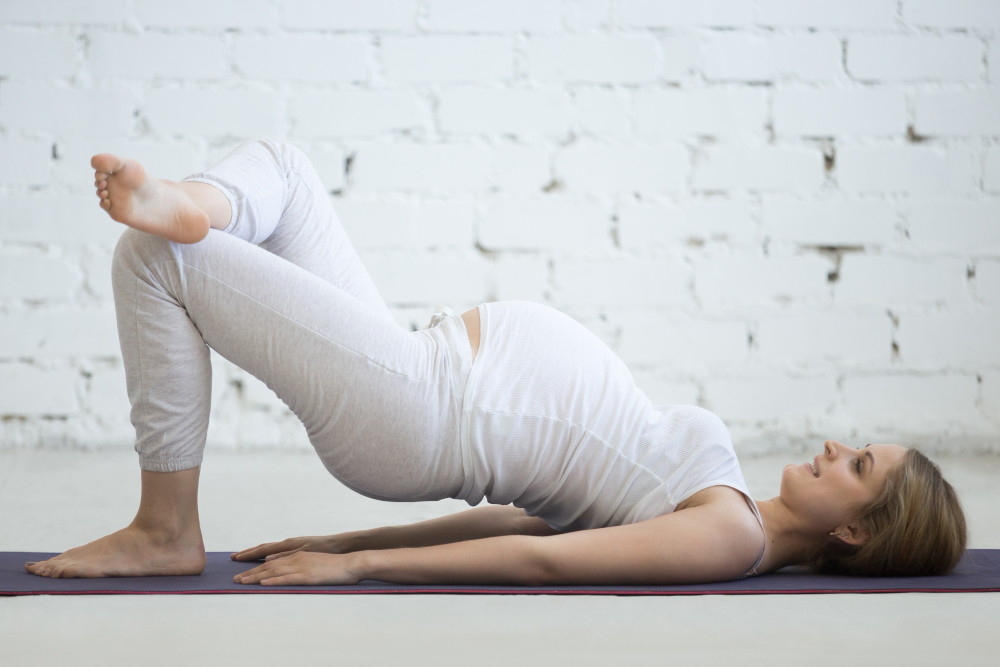
Many women think pelvic floor physiotherapy is only for pregnancy or after childbirth. However, pelvic floor physiotherapy helps women’s health at every stage of life. This therapy focuses on the muscles that support the bladder, uterus, and bowels. Not only does it help with recovery after childbirth, but it also improves daily comfort and long-term wellness. For those searching for “pelvic floor physiotherapy near me,” this guide explains why care matters beyond pregnancy.
What Is Pelvic Floor Physiotherapy?
Pelvic floor physiotherapy is a type of physical therapy. It targets the muscles at the base of the pelvis. These muscles help control the bladder, bowels, and sexual function. In addition, they support the organs in the lower belly. A trained physiotherapist teaches exercises and techniques to strengthen or relax these muscles. As a result, women can improve their pelvic health and quality of life.
Common Pelvic Floor Issues in Women After Pregnancy
After pregnancy, many women notice changes in their bodies. For example, the pelvic floor muscles may become weak or stretched. This can lead to several issues, such as:
Although these problems are common, they are not normal. Pelvic floor physiotherapy can help address these concerns and support recovery.
Symptoms and Signs of Pelvic Floor Dysfunction
It is important to notice the signs of pelvic floor problems early. Some symptoms may include:
Because these signs can affect daily life, seeking help from a pelvic floor physiotherapist is a smart step.
Causes and Risk Factors Beyond Pregnancy
While pregnancy is a common cause, other factors can affect pelvic floor health. For instance, aging, menopause, and certain surgeries may weaken these muscles. In addition, being overweight or having a chronic cough can add stress to the pelvic floor. Sometimes, genetics play a role. Even high-impact sports may increase risk. Therefore, women of all ages can benefit from learning about pelvic floor care.
How Pelvic Floor Physiotherapy Helps Women
Pelvic floor physiotherapy offers many benefits for women’s pelvic health. For example, it can:
Because therapy is tailored to each woman, results often improve quality of life. Even women who have never been pregnant can benefit from pelvic floor exercises for women.
Diagnosis and Assessment Methods
First, a pelvic floor physiotherapist will ask about your symptoms and health history. Next, they may perform a gentle physical exam. Sometimes, special tools or tests are used to measure muscle strength. In some cases, you may be asked to fill out a bladder diary. This helps the therapist understand your daily habits. With this information, they can create a plan that fits your needs.
Treatment Techniques Used in Pelvic Floor Physiotherapy
Pelvic floor physiotherapy uses many treatment methods. Some common techniques include:
Because every woman is different, the therapist will choose the best approach for you. The benefits of pelvic floor physiotherapy often appear after a few sessions.
Lifestyle Tips and Self-Care for Pelvic Floor Health
Along with therapy, self-care can help keep your pelvic floor strong. For instance, you can:
Additionally, wearing comfortable clothing and taking breaks during long periods of sitting can help. If you need advice, a local provider can guide you. Searching for “pelvic floor physiotherapy near me” can connect you with experts in your area.
Prevention Strategies for Long-Term Wellness
Because prevention is key, women should care for their pelvic floor throughout life. Simple steps can make a big difference. For example:
By following these tips, you can support your pelvic health and enjoy better comfort every day. Consult at Sandhya Physiotherapy and Rehabilitation Center