
What Is Sciatica?
Sciatica is a common condition that causes pain along the sciatic nerve. This nerve runs from your lower back, through your hips, and down each leg. Often, sciatica pain starts in the lower back and travels down one leg. Many people feel sharp, burning, or shooting pain. Sciatica physiotherapy can help manage and relieve this pain for lasting relief.
Common Symptoms of Sciatica
People with sciatica may notice several symptoms. For example, you might feel:
Sometimes, the pain is mild. However, it can also be severe and limit your daily activities.
Causes and Risk Factors
Sciatica happens when something presses on or irritates the sciatic nerve. Most often, a slipped or herniated disc is the cause. But, other reasons include:
Several risk factors can increase your chances of getting sciatica. For instance, being overweight, sitting for long periods, or lifting heavy objects can raise your risk. Age, diabetes, and lack of exercise also play a role.
How Physiotherapy Helps with Sciatica
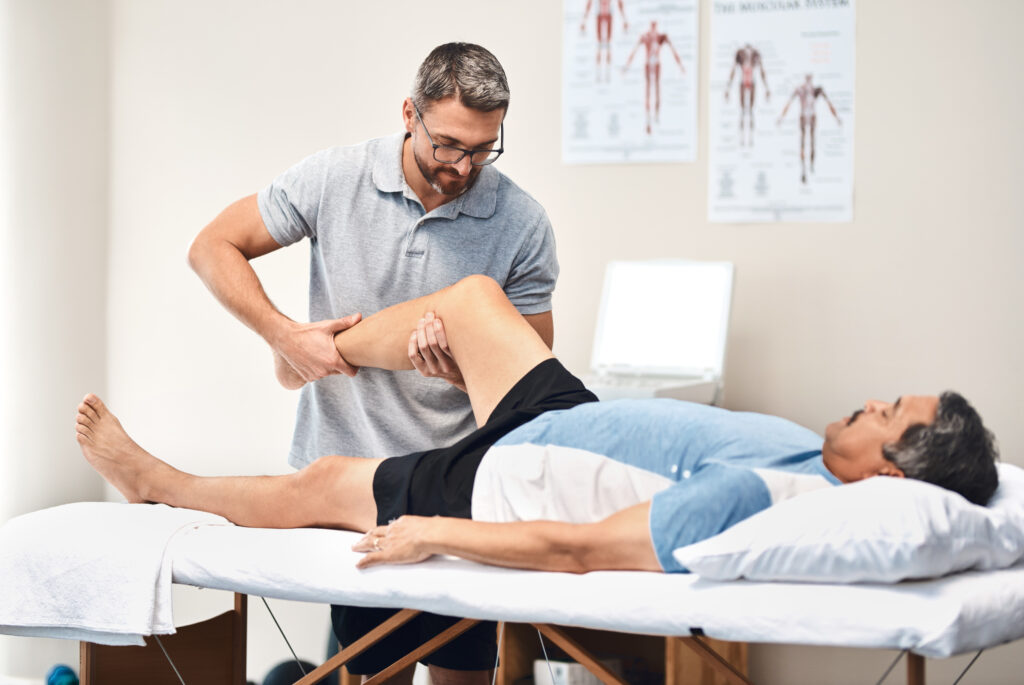
Physiotherapy for sciatica focuses on reducing pain and improving movement. First, a physiotherapist will assess your symptoms and find the cause. Then, they create a plan tailored to your needs. This plan may include exercises, stretches, and advice on posture. As a result, you can get lasting relief for sciatica and prevent future problems.
Evidence-Based Physiotherapy Treatments and Exercises
Many studies show that physiotherapy helps relieve sciatica pain. According to the World Health Organization (WHO), exercise and movement are key parts of treatment. Here are some common physiotherapy treatments:
For example, simple sciatica exercises like knee-to-chest stretches or pelvic tilts can help. However, always follow your physiotherapist’s advice before starting new exercises.
Lifestyle Tips for Managing and Preventing Sciatica
Besides physiotherapy, making small changes in your daily life can help. For instance, you can:
Additionally, regular exercise and stretching can lower your risk of future pain. If you smoke, quitting can also help your spine stay healthy.
When to Seek Professional Help
Sometimes, sciatica pain goes away on its own. But, you should see a doctor or physiotherapist if:
Early treatment can prevent long-term problems and help you recover faster.
Conclusion
In summary, sciatica physiotherapy offers lasting relief for sciatica pain. With the right exercises and lifestyle changes, you can manage symptoms and prevent future pain. Consult a physiotherapist at Sandhya physiotherapy and rehabilitation center for personalized sciatica relief and guidance.