
Introduction
Yoga for posture correction is a simple way to help your body stand tall and feel better. Good posture means your body is in the right position, whether you are sitting, standing, or moving. However, many people struggle with slouching or rounded shoulders. With yoga, you can improve posture and reduce pain in your back and neck. In fact, the best yoga poses for posture can help you feel stronger and more balanced. Many people also ask how to improve posture with yoga or want to know about yoga benefits for back and neck. This blog will guide you through the basics, benefits, and tips for using yoga to correct poor posture.
What Is Posture and Why Does It Matter?
Posture is how you hold your body. It affects your muscles, bones, and joints. When you have good posture, your body feels less tired and works better. For example, sitting up straight helps you breathe easier. On the other hand, poor posture can cause pain in your neck, shoulders, and back. Over time, it may even lead to long-term health problems. According to the World Health Organization (WHO), good posture can prevent many aches and injuries. So, paying attention to your posture is important for your health and comfort.
How Yoga Helps Correct Poor Posture
Yoga is a gentle exercise that stretches and strengthens your muscles. Because it focuses on balance and alignment, yoga helps you notice how you hold your body. For instance, many yoga poses teach you to keep your back straight and shoulders relaxed. Over time, these habits can carry over into your daily life. In addition, yoga helps reduce stress, which can also improve your posture. Studies in medical journals show that regular yoga practice can ease back and neck pain. Therefore, yoga is a safe and natural way to correct poor posture.
Top Yoga Poses for Posture Correction
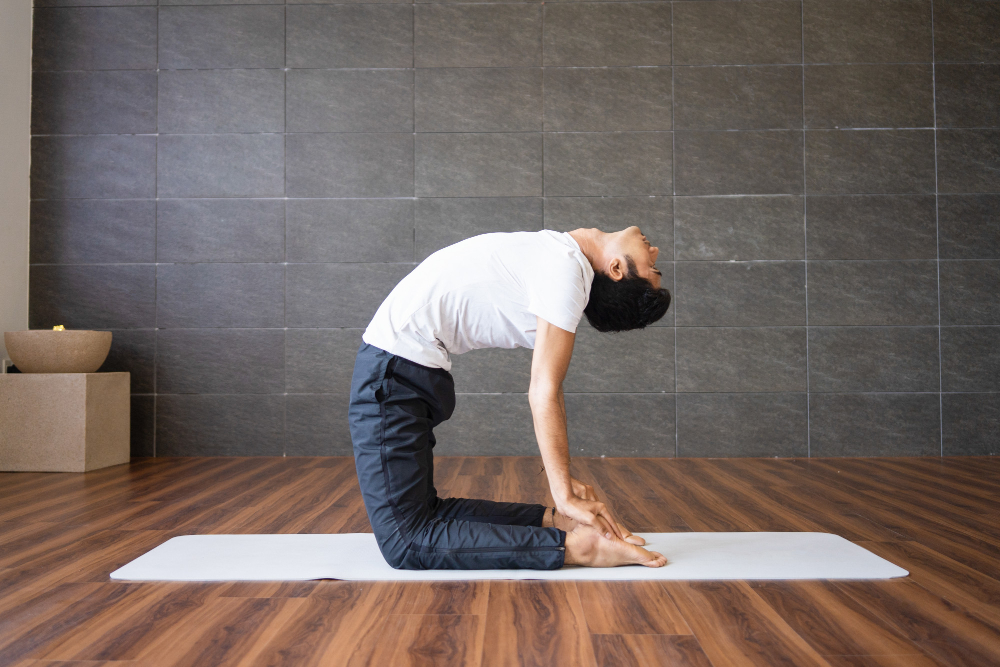
Many yoga poses are great for posture. Below are some of the best yoga poses for posture correction. Try these simple steps for each pose:
Tips for Practicing Yoga Safely at Home
Practicing yoga at home is easy, but safety comes first. First, always warm up before starting. Next, use a yoga mat to prevent slipping. If you feel pain, stop right away. In addition, listen to your body and do not force any pose. You can use props like blocks or straps for support. For beginners, following online videos from trusted sources can help. Remember, it is better to do a few poses well than to rush. Over time, your strength and flexibility will improve. If you have health issues, talk to your doctor before starting yoga.
Lifestyle Advice to Support Good Posture
Besides yoga, daily habits play a big role in posture. For example, take breaks from sitting every hour. Stretch your arms and legs often. Also, adjust your chair and desk to support your back. When using a phone or computer, keep the screen at eye level. In addition, wear comfortable shoes that support your feet. Carry bags evenly on both shoulders. With these small changes, you can help your body stay in good alignment all day.
Prevention: How to Maintain Healthy Posture with Yoga
Maintaining good posture is easier with regular yoga practice. Try to do yoga at least three times a week. Even short sessions can make a difference. Over time, your muscles will remember the right way to hold your body. In addition, focus on breathing deeply during each pose. This helps relax your muscles and mind. As you get stronger, you will notice better balance and less pain. According to the CDC, staying active is key to long-term health. Therefore, make yoga a part of your daily routine to keep your posture healthy.
Consult a physiotherapist at Sandhya Physiotherapy and Rehabilitation Centre for personalized guidance.