Introduction to Sports Rehabilitation and Post-Injury Recovery
Sports rehabilitation helps people recover after a sports injury. It uses special exercises and treatments to restore strength and movement. Post-injury recovery is the process of healing and returning to normal activities. For many, sports rehabilitation is key to a safe and full recovery. According to the World Health Organization (WHO), early and proper care can prevent long-term problems. Because every injury is different, a tailored plan is important. With the right support, most people can return to their favorite sports.
Common Symptoms After Sports Injuries
After a sports injury, you may notice several symptoms. These signs can vary based on the type and severity of the injury. However, some symptoms are more common than others. For example, you might feel pain or swelling in the affected area. Sometimes, you may also see bruising or redness. In addition, you could have trouble moving the injured part. Weakness or stiffness is also possible. If you hear a pop or snap during the injury, it may signal a serious problem. Watch for these symptoms:
Causes and Risk Factors for Sports Injuries
Sports injuries can happen for many reasons. Often, they occur when you use a joint or muscle too much. Sometimes, a sudden fall or twist can cause harm. In other cases, poor training or not warming up increases the risk. Age, previous injuries, and not using the right gear also play a role. But with good habits, you can lower your risk. Here are some common causes and risk factors:
Diagnosis and Assessment Methods
Accurate diagnosis is vital for effective sports injury treatment. First, a healthcare provider will ask about your symptoms and how the injury happened. Next, they will examine the injured area. Sometimes, special tests are needed to check for broken bones or torn tissues. For example, X-rays, MRI scans, or ultrasound can help. In addition, your doctor may test your strength and movement. Early diagnosis helps guide the best sports rehabilitation plan. According to the CDC, prompt care can speed up recovery and prevent further harm.
Evidence-Based Treatment Options
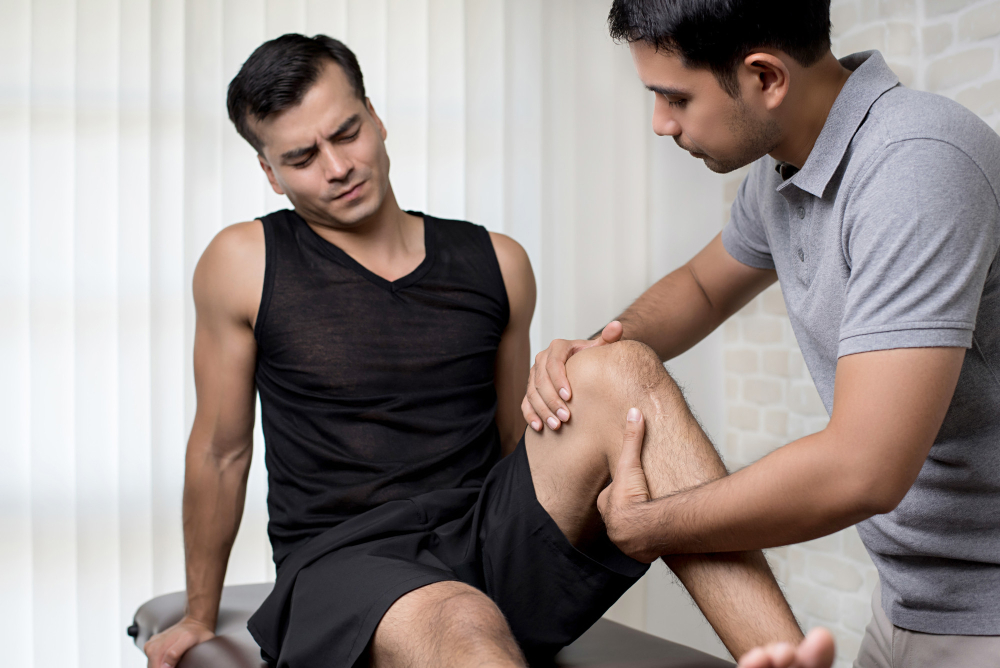
There are many ways to treat sports injuries. Often, a mix of rest, ice, and gentle movement is used first. However, physiotherapy for sports injuries is a key part of recovery. Physiotherapists use exercises to restore strength and flexibility. They may also use massage, heat, or cold therapy. In some cases, braces or supports help protect the area. For severe injuries, surgery may be needed. But most people improve with non-surgical care. Evidence-based treatments include:
According to peer-reviewed studies, physiotherapy speeds up healing and reduces the risk of repeat injuries.
Lifestyle and Self-Care Tips for Recovery
Self-care plays a big role in post-injury recovery. While following your treatment plan, you can also take steps at home. For example, eat a balanced diet to support healing. In addition, stay hydrated and get enough sleep. Gentle movement, as advised by your physiotherapist, helps maintain flexibility. But avoid pushing through pain. Here are some helpful tips
Prevention Strategies for Future Injuries
Preventing future injuries is just as important as recovery. Therefore, always warm up before exercise. Stretching helps prepare your muscles. In addition, use the right gear and shoes for your sport. Learn proper techniques and listen to your body. If you feel pain, stop and rest. Here are some prevention tips:
When to Consult a Specialist
Sometimes, self-care is not enough. If your pain is severe or does not improve, see a specialist. Also, if you cannot move the injured part or notice numbness, get help right away. In addition, repeated injuries or ongoing swelling need expert care. A physiotherapist or sports rehabilitation specialist can create a plan just for you. Early treatment leads to better results and a faster return to activity.
Consult a physiotherapist at Sandhya Physiotherapy and Rehabilitation Centre for personalized recovery guidance.